Grit & Gears
Yezdi Scrambler: The Revival of a Rebel Classic.

Good Old Bandit
Explore the Yezdi Scrambler’s story, performance, pros, cons, and owner insights in one joyful ride.
Every rev of the engine feels like history meeting tomorrow. The Yezdi Scrambler bursts onto winding paths and city streets with a raw, welcoming roar. It calls riders to embrace grit and style in equal measure. Riders nod as its twin exhausts sing a twin-pipe anthem. In every twist and turn, it sparks curiosity and fire. Ready to dive deep into what makes this bike a legend reborn? Let’s roll.
The Rise of a Legend
How the Yezdi Scrambler Roared Back onto the Scene
The Yezdi brand slumbered for decades before roaring back in 2022. Fans craved its dirt-ready DNA and timeless flair. The Scrambler returned with modern tech wrapped in classic lines. It blends old-school charm with fresh reliability. With each test ride, whispers turned into cheers. Riders celebrated the bold comeback of #YezdiScrambler across forums and meetups. It proved that a true classic never fades. The revival tapped into nostalgia without skimping on performance. That blend fuels a passionate fanbase. Every corner of the ride shows careful design. It shines bright in a crowded segment. And it keeps us talking.
A Name with Grit
Tracing the Roots of 'Yezdi' and 'Scrambler'
Yezdi began life in India in the 1960s. Its name nods to its founder’s passion for speed. Riders nicknamed it the "Desert Runner" in its early years. The Scrambler tag tells of bikes built for dirt and asphalt alike. Born on rugged trails, scramblers bridged highways and off-road with ease. Yezdi fused that spirit with local flair. The name carries stories of dusty rallies and town parades. It recalls sturdy bikes shaking up the scene. Today’s Scrambler honors that grit and history. Behind the badge lies decades of mud, sweat, and triumph.
Under the Hood
What Powers the Yezdi Scrambler
Peak torque drops in at a friendly 3,500 RPM. The 334cc single-cylinder engine delivers smooth thrust. A six-speed gearbox clicks with reassuring precision. Riders feel every shift with tuned, crisp feedback. Dual exhausts give a throaty growl that echoes on open roads. Telescopic forks front the bike with 160mm of travel. The twin-shock rear soaks up bumps over 150mm of stroke. Disc brakes front and rear clamp hard and hold steady. The steel frame balances rigidity and flex. At 174 kg dry, it feels light on its feet. Fuel range rests at 280 kilometers per tank. It pairs vintage looks with modern guts.
The Ride Experience
Feel the Freedom on Two Wheels
Swing a leg over and settle into a plush, flat seat. The upright stance invites long days in the saddle. Handlebar sweep gives confident reach and feedback. It inspires riders to stand on foot pegs at will. Tires grip gravel and tarmac with equal confidence. The throttle response stays smooth in city crawl and open sprint. Cornering feels natural, not forced or fidgety. Vibration stays tame, even on rough surfaces. The rider feels in command, not a passenger on a thrill ride. Each ride sparks fresh ideas for new routes. It keeps the spirit of #ScramblerSpirit alive.
Pros & Cons
Balancing the Highs and Lows
Pros:
· Classic design fused with modern reliability.
· Friendly torque curve ideal for street and trail.
· Comfortable ergonomics for all-day rides.
· Crisp gearbox and solid brakes.
· Distinctive exhaust note that turns heads.
· Strong owner community and easy customization.
Cons:
· Top speed lags behind some rivals.
· No ride-by-wire or riding modes.
· The fuel gauge can jump around at low levels.
· Suspension tuning feels firm for heavy riders.
· Heel shifter may pinch boots over time. Every bike brings trade-offs. The Scrambler trades outright sprint pace for friendly torque. It swaps electronic bells for old-school simplicity. That honesty proves part of its charm.
Who Should Saddle Up
Ideal Riders and Their Stories
Urban adventurers craving daily thrills will love this bike. Weekend explorers seeking gravel-side blue skies find their match. Vintage lovers who value character over cold stats feel at home. Newcomers enjoy the friendly power band and clear feedback. Custom fans relish the Scrambler’s open canvas for mods. Fuel economy champs will smile at nearly 40 km per liter. Tight-turn fans adore its nimble wheelbase. Long-haul dreamers savor its ergonomic comfort. The Scrambler bonds fast with riders craving soul in steel. It turns strolls into mini-quests.
Who Might Turn Away
When the Yezdi Scrambler Isn’t a Fit
Speed demons chasing 140+ km/h will want more grunt. Tech seekers craving traction control and ride modes look elsewhere. Hardcore off-road fans want more suspension travel and ground clearance. Tall riders over 6'2" may feel cramped on long hauls. Heavyset riders might find rear shock firmness too much. Those on razor-edge budgets might pinch at its premium tag. Racetrack junkies chasing lap times need a sportier frame and suspension. If you need blinding acceleration, consider a bigger twin or triple.
Voices from the Seat
Real Owners Share Their Thoughts
"I clocked 10,000 km in six months and grinned every mile," says Arjun.
"It feels alive under me. My heart races with each twist," adds Meera.
"I swapped the seat for a gel pad. Tour day became pure joy," smiles Sunil.
"I mounted knobby tires and turned dirt roads into memories," notes Ravi. Owners hail its character and clarity. They praise its service, support, and spare parts flow. Some mention minor rattles that add to its rough-hewn vibe. They swap visuals and mods in a buzzing online community. Each story weaves into the richer tapestry of #MotorcycleMagic.
Why the Yezdi Scrambler Sparks Curiosity
The Yezdi Scrambler stands tall as a bridge between eras. It reignites our love for raw motors and open roads. With its honest engine, friendly frame, and heartfelt history, it calls us back to basics. It asks us to rewrite our ride narratives. Whether you roam city lights or dirt trails, it delivers a smile. It reminds us that every twist holds a new story. Share yours in the comments and keep the #ScramblerRevival alive.
Yezdi Roadster Unleashed: Embrace the Thump and Ride Fearlessly.

Good Old Bandit
Yezdi Roadster blends heritage and modern flair. Honest take on specs, issues, ownership, pros, cons, and rider fit.
The Heartbeat of Yezdi Roadster
Where Legacy Meets the Open Road
Feel that pulse? That’s the Yezdi Roadster making its mark. This bike blends a storied past with a fresh twist. It refuses to hide behind modern trends. It stands proud, raw, and ready. Let’s dive into every angle—warts and all. #YezdiRoadster #MotoLife
The Name That Echoes
Tracing Yezdi’s Legacy
Yezdi first roared onto Indian roads in 1960. Riders loved its rugged build and thumping exhaust. The name came from the original manufacturer, Ideal Jawa Ltd. Yezdi rides on Jawa’s core values: strength, simplicity, spirit. It lived on dusty trails, highway cruises, and racing circuits. That memory fuels the new Roadster design today. #ClassicCruiser
Roadster at a Glance
Key Specs and Outlook
• Engine: 334 cc, single-cylinder, oil-cooled
• Power: 29.4 PS at 7,500 rpm
• Torque: 29 Nm at 6,000 rpm
• Weight: 175 kg (kerb)
• Seat Height: 810 mm
The frame stays simple. Suspension feels firm yet forgiving. Brakes are dual-channel ABS. The stance sits low and wide. It invites you to lean deep or stand tall. #BikeSpecs
Why Riders Smile
Strengths That Shine
Bold Thump: The Roadster’s exhaust bark stirs the soul. You feel alive at each twist. Riders rave about that signature pulse. #ThumpingHeart
Solid Build: Steel meets weld with no hidden creaks. It feels solid on rough tarmac. You trust it on the twisties or town traffic. #BuiltToLast
Effortless Control: The low seat helps most riders plant feet firmly. Ergonomics favors confidence. You shift, brake, or lean without tension. #ComfortRide
Modern Touches: LED headlamp and digital display bring fresh style. You get smartphone connectivity for ride stats. It balances nostalgia with today’s tech. #RetroModern
What Holds It Back
Notes of Caution
Vibe at High RPM: Push past 7,000 rpm, and you feel more shake than push. It begs for mid-range cruising. #RPMReality
Weight Distribution: The 175 kg heft feels chunky in slow traffic. U-turns take care. New riders might sway if unprepared. #HeavyHitter
Suspension Limits: It handles street cracks well. Deep potholes still jar the spine. Consider highway miles over off-road adventures. #SmoothOrRough
Fuel Efficiency: Around 30 km/l under mixed conditions. You’ll refill more often than some rivals. Plan stops on long rides. #FuelFacts
Road Woes and Fixes
Reported Faults and Solutions
· Starter Motor Stalls: Some report slow cranking in cold starts. Remedy: Battery upgrade to a higher Ah rating.
· Oil Leak at Gasket: A few bikes leaked around the cylinder head. Remedy: Periodic torque check on head bolts and replace the gasket with an upgraded seal.
· Vibrations on Highway: Noticeable buzz at 100 km/h. Rider fix: Bar-end weights and cushioned grips cut chatter.
· Fuel Tap Drips: In rare cases, drip at the petcock. Workshop hack: Replace rubber O-rings with nitrile grade.
Keep a trusted mechanic on speed dial. These fixes cost under ₹2,000 each. They restore harmony. #BikeMaintenance
Voices from the Saddle
Real Ownership Stories
“The Roadster feels alive in my hands. Every ride turned into a mini-adventure.” – Rajesh, Kerala #OwnerTales
“I hit 150 km/h safely, but long roads shake my arms. I added weights and grip tape. Problem solved.” – Meera, Pune #RiderHacks
“Fuel stops add charm. It forces me to pause, breathe, and plan my next leg.” – Sameer, Delhi #FuelPause
These riders don’t sugarcoat. They fix, adapt, and ride on. They share tips in online groups. They bond over the bike’s quirks. #Community
Reliability Meets Utility
Performance Where It Counts
On city runs, the Roadster maneuvers tight lanes with calm authority. On highways, its mid-range torque hauls you past trucks. It thrives when you ride smart. Oil-cooling keeps temps in check. A six-speed gearbox matches every need. This bike rewards planned rides and respectful handling. #RideSmart
The utility shows when you add luggage. Saddlebag mounts sit low, center of gravity stays balanced. A pillion enjoys enough space. Weekend trips feel doable without drama. #AdventureReady
Perfect Fit Riders
Who Should Go for This Bike
• Weekend Explorers: You crave laid-back rides and scenic detours. This machine fits your mood.
• Urban Commanders: You want a strong presence in traffic. Low-seat ergonomics boost confidence at speed breaks.
• Custom Enthusiasts: You plan mods, bar swaps, and paint jobs. This steel frame welcomes your creativity. #CustomLife
You bring respect for its roots. You understand limitations at high revs. You love that vintage spirit.
Riders to Rethink
Who Should Shy Away
· New Commuters: You need ultra-light handling in stop-start jams. Consider a sub-150 cc option first.
· Off-Road Junkies: You chase gravel trails and dirt tracks. This bike suits paved roads only.
· Fuel-Saver Seekers: You aim for 40 km/l plus. A smaller engine cruiser will hit your target. #KnowYourRide
No shame in choosing a tool that matches your daily grind. The Roadster shines on certain paths only.
Final Throttle
Straight Talk on the Roadster
The Yezdi Roadster wears its heritage with pride. It gives raw joy, honest power, and a tight circle of tweaks. It challenges you to ride thoughtfully. It demands service love. It rewards you with that signature thump and a lasting bond.
If you value soul over spreadsheets, torque over top speed, this bike speaks your language. It begs a spirited twist of the throttle and a group chat full of shared tips. It won’t pamper you like an electric scooter. It invites you to earn every kilometer. #RideWithSoul
Yezdi Adventure: A Tale of Steel, Spirit, and Open Roads.

Good Old Bandit
Yezdi Adventure reignites a 1970s legend with modern tech and rugged charm. Dive into its story, specs, owner voices, and ride tips.
Embracing a Legend
Why the Yezdi Adventure matters today
The Yezdi Adventure revives a classic name with a fresh heart. Its roots reach back to 1970 when Yezdi first challenged the highways. Today’s model blends heritage and modern build. Riders feel the thump of raw power beneath their knees. This bike calls to those who crave simple thrills. It asks us to leave paved paths behind. It reminds us why we ride. This isn’t just a bike; it’s an attitude statement. Each twist of the throttle promises a fresh horizon. It invites community and shared campfire tales. It breaks routines and sparks new friendships. This model has a heart that beats in sync with yours. #YezdiAdventure #MotoSpirit
What’s in a Name?
Tracing the origins of ‘Yezdi Adventure’
The name Yezdi came from the motorcycle workshop in Karnataka. Workers spoke of zeal and zesty rides. They tweaked British engines for Indian roads. ‘Yezdi’ became a symbol of robust design. The new model adds ‘Adventure’ to signal bold journeys. It honors past triumphs and hints at new paths. This nod to history sparks a fresh sense of purpose. The brand rose under Ideal Jawa India’s founder, Mr. J.C. Agrawal. He sought a badge to rival global rivals. The new owners revived that spirit with modern parts. They aimed to tap young riders’ hunger for open trails. #Heritage #BrandStory
Tracing the Timeline
How Yezdi rose, fell, and rose once more
Yezdi bikes were launched in 1960 and captured hearts with sturdy frames. Riders praised their dependable engines and simple maintenance. By the 1980s, they became icons of Indian roads. Production stopped around 1996, and fans felt a void. In 2022, the brand returned under new leadership. Engineers fused classic shape with modern tech. The Adventure model premiered in late 2023, making waves at once. Early Yezdi models like the Roadking and Classic built a loyal base. These bikes ran in rallies and desert races with ease. Fans still treasure their thump and chrome details. When global trends shifted, Yezdi faded from showroom floors. It’s return taps nostalgia and new tech. Riders now get modern brakes and fuel injection. The mix feels raw and refined at once. #Throwback
Heart of the Machine
Engine, frame, and design in action
The Yezdi Adventure packs a 334cc single-cylinder engine. It delivers 29 Nm torque in the usable range. The six-speed box shifts with crisp action. Long travel suspension soaks bumps with ease. Spoke rims and tubeless tires grip loose surfaces well. The frame touts a sturdy trellis for rough tracks. Its upright bars and low seat ease long rides. The bike uses dual-channel ABS with an off-road switch. Riders can disengage the rear ABS for controlled slides. Its digital console shows speed, trek meter, and fuel. The LED indicators stay bright in the rain. Brake hardware comes from Nissin for a solid feel. A steel bash plate shields the engine from rocks. You adjust clutch reach in two steps. Every part feels built for real use. #MotoTech
Pros: The Highs of the Ride
Why does this bike light up every road
It offers raw torque punch at low revs. It features nimble handling in gravel and mud. It brings rider confidence in steep climbs. The fuel tank holds 16 liters for long days. Footpegs sit wide for clear leg movement. LED headlamp cuts through dusk without glare. Its thumpy exhaust tone thrills every listener. Owners praise its easy service network in towns. This bike sparks smiles on any path. It absorbs single-track bumps and potholes. Seat shape helps the rider stand or sit. Gear ratios suit crawl and cruise speeds. The spare parts cost feels fair. It handles two-up riding with no drama. Each tilt invites more. #Pros #HappyMiles
Cons: The Challenges Ahead
Real talk on what could hold riders back
The seat may feel firm after long hours. Suspension feels firm on tar roads. The weight edges close to 187 kg curb mass. Fuel pump chatter enters the cockpit. Alloy guard design could bite in rough use. The brake lever reach adjusts only in one way. Maintenance cost stands higher than some rivals. The digital console lags under bright sunlight. Low windscreen can blast wind at high speed. Strong vibration creeps at triple-digit speeds. The center stand sits a bit low on rutted tracks. Rubber grips soak up heat only so much. The fuel gauge jumps around on rough rides. The horn tone stays soft in traffic jams. Some riders note mirror shake above 80 kmph. That said, riders adapt quickly to quirks. #Cons #RawFeel
Who Should Ride?
Finding your perfect match
You crave a thumpy beat on empty roads. You love to tweak and customize. You tour on mixed terrain and dirt tracks. You value bold style with classic charm. You enjoy simple tech that you can service. You seek community at every pit stop. You favor a rugged build over slick polish. You pair this bike with soft luggage for far trips. Weekend warriors get a fresh thrill in gravel loops. Solo riders feel free to roam all day. Campers pack gear and ride until sunset. Riders with basic wrench skills can do odd fixes. Clubs form around these bikes at local meets. The Adventure works as a blank canvas. #YezdiFan #PerfectFit
Who Might Pass?
When the Adventure feels off
You focus on maximum highway speeds. You want ultra-light and agile sport bikes. You hate regular service intervals. You need plush touring comfort every ride. You avoid any engine noise beyond hum. You need a full fairing and wind blast shield. You demand cutting-edge digital features. You avoid this bike if you crave track day thrills. The rainy season may make grips slippery. You look for wind protection on endless highways. If you budget strictly, service costs can pinch. You prefer full LED panels and maps. If you plan high-speed runs, this feels slow. You focus on hi-tech dashboards and voice control. #ThinkTwice #ChooseWisely
Comfort and Control
Ergonomics that inspire long hauls
The seat sits at 820 mm, ideal for most heights. Footpegs offer balanced standing and sitting posture. Handlebars sweep back for natural wrist alignment. A flat seat invites easy position shifts on trails. Windblast hits your chest but eases above 90 kmph. Mounting an aftermarket windscreen calms air flow. Grips feature anti-slip grooves for rainy days. Rider feedback hits the center of every handle. #ComfortRide
Off‑Road Diaries
Testing terrains from dust to snow
Riding dusty trails feels like dancing on gravel clouds. The Adventure keeps traction on shifting stones. Slushy mud gives some slip at first. You ride through shallow streams with a steady throttle. Loose sand demands careful clutch work and a light touch. I found the front end never washed out. Ice patches test your nerves, but ABS aids control. Night rides feel safe with a bright LED beam. #TrailTales
Behind the Badge
Cost, value, and the aftermarket world
The Yezdi Adventure carries an accessible price tag for its class. It undercuts some European rivals on sticker cost. Service plans come with transparent rates in most cities. Spare parts list stays compact and cost-effective. Resale holds value thanks to rising fan demand. Riders customize fuel tanks, crash bars, and seats easily. Aftermarket offers skid plates and raised screens. Custom wraps and decals flood social feeds. #ValueAhead
Future Horizons
What lies beyond the next horizon
New variants could add larger tanks and bigger screens. Talks of an electric version swirl in forums. Owners hope for ABS tuning and softer seats. Yezdi might add ride modes for slick roads. Each rumor fuels our passion for the ride. #FutureRide
Voices from the Saddle
Owners share raw thoughts
“That first gravel stretch felt unreal,” says Ravi, a Pune rider.
“The thump under me kept me grinning wide. Service shops pop up in small towns. I drilled through mud with no sweat.” #RiderVoice
“Urban commutes feel punchy,” notes Meera in Bangalore.
“I slip past cars with a lean and a grin. The bike draws nods at every signal. Fuel stops rarely break my flow.” #UrbanRide
“In thin mountain air it roared,” recalls Arjun from Leh.
“I climbed 14,000 feet with no heat issues. The machine sang like a loyal friend. The view felt epic on my seat.” #HighPass
“Service feels easy,” claims Sameer in Jaipur.
“Oil change takes no more than 20 minutes. I added crash guards for peace of mind. Each ride feels like a festival on wheels.” #QuickTrip
Share your story and spark the next chapter
Join the chat and tell us your Yezdi tales. What road tests your grit? Which mod made your ride smoother? How did the bike exceed your hopes? Every story fuels our shared passion. Drop your thoughts below and ignite this conversation. What mods raise the bar? Show your tank art or cases. Who planned the longest ride on this bike? Let’s map those trails. Tag your buddies in the thread. Keep the energy rolling. #RideOn #CommunityRide
Super Meteor 650: Raw Torque, Classic Vibe, Zero Fluff.

Good Old Bandit
No‑fluff Super Meteor 650 review: specs, pros, cons, fixes, and ideal riders.
Heart of the Cruiser
Engine & Design Highlights
The Super Meteor 650 packs a 648 cc parallel‑twin engine that thrills at low revs. It delivers 47 PS at 7,250 rpm and 52 Nm of pull at 5,650 rpm. That torque rush gives effortless roll‑on power in town. The six‑speed gearbox shifts smoothly and feels solid.
Royal Enfield wraps the engine in true cruiser style. A teardrop fuel tank, twin shocks, and a low seat shape its classic lines. LED lamps light the night with crisp, modern punch. A Tripper nav pod slots into the left meter, guiding you with clear prompts. Wide bars and mid‑mounted pegs create a relaxed posture that stays strong on long miles.
Performance & Ride Feel
City Torque Meets Highway Calm
Pull off the line and you’ll feel that cruiser tug. You never hunt for power. The ride stays smooth even below 30 km/h. Vibration stays in check thanks to a smart balancer.
Open a bit more throttle on the highway, and the Meteor floats with poise. At 100 km/h it hums, not thrums. You can cruise at 120 without strain. Top speed nears 145 km/h, though few will push that hard on tight roads. Fuel use sits near 22 km per litre in mixed riding. That stretch from fuel stop to fuel stop can top 300 km. Riders love that freedom.
Day‑to‑Day Utility
Comfort, Control & Fuel Range
Every day, chores feel lighter on Meteor’s low seat. At 740 mm height, most riders plant their feet firmly. Maneuvering slow traffic stays easy, even with its 241 kg curb weight. The bike feels steady at turns and calm in the wind.
A 15.7 L tank spans most routines with room to spare. Dealer networks in many regions make service simple. Royal Enfield sets its first service at 1,000 km, then major checks every 10,000 km. Parts cost less than you’d guess. Many owners run thousands of trouble‑free miles before swapping brake pads or tires.
Known Quirks & Fixes
Real‑World Issues & Easy Solutions
No bike runs perfectly, and the Meteor has its share of quirks. Early owners noted random clock resets. That trace led back to loose battery terminals. A quick post‑clean and tighten cured it.
Some units faced relay failures thanks to excess grease in the loom. Dealers trimmed the goo and fitted fresh relays. Those fixes stopped stray shutdowns. A flickering check‑engine lamp drove a few riders back to the shop. Most times, loose grounds or worn contacts triggered it. A tightened connector or fresh fuse banished the warning.
A wind blast at 120 km/h hit some riders on the stock flyscreen. A Givi windshield swap tamed buffeting and eased neck strain. That small upgrade paid dividends on long runs.
Voices on the Road
Ownership Stories & Long‑Term Notes
Bhavya clocked 8,500 km in four months. She calls it “a true cruiser with no fuss.” She praised its ease of use, even on rough village lanes.
Dhinesh rides to work and back each day. He says the Meteor feels like a smooth commuter when traffic jams strike. On open stretches, he leans back and soaks in the torque surge.
Riders in colder zones swapped to heated grips. That kept hands toasty at 5 °C dawns. In hot climates, some added a fork brace to curb wobble when the road got sketchy.
Several long‑term tests in India, Europe, and Australia racked up over 10,000 km. Reports all mention solid brakes and stable handling. Screen scrapes on gravel roads leave the paint unmarked. Those builds show careful welding and a tidy finish.
Pros & Cons
The Highs & Lows
Pros
• Genuine cruiser vibe with clean modern cues. #CruiserStyle
• Strong low‑end torque for clean roll‑on. #CityAndHighway
• LED lights and Tripper nav add tech perks.
• Simple care keeps service bills low.
• Low seat height gives confidence at stops.
Cons
• 241 kg curb weight can slow tight u‑turns.
• Stock rear shocks feel firm on rough roads.
• No traction control or ride modes.
• Early electrical gremlins need dealer fixes.
Who Should Ride It?
Ideal Match for the Meteor
Weekend cruisers chasing laid‑back pulls will grin. City riders who want torque over quick sprints enjoy its rush. Touring dreamers who prize long miles over lap times fit right. If you like classic lines with simple updates, this bike feels made for you.
Who Might Look Elsewhere?
When to Pass on the Meteor
Sportbike fans craving sharp cornering will feel its heft. Tech seekers who want full TFT dash and traction aids need more choice. Urban riders fighting stop‑start traffic in molten heat might lean to lighter options. If you crave tight feedback and agile turns, the Meteor might not click.
Your Tales Matter
Have a #SuperMeteor650 story? A tip on a cool mod? Drop it below. Your voice can spark the next upgrade idea. Let’s build a riding community that moves forward.
Royal Enfield Shotgun 650
Good Old Bandit
Bold cruiser. Raw power. Custom canvas. Honest look at Royal Enfield Shotgun 650. #RoyalEnfield #Shotgun650
The Royal Enfield Shotgun 650 blends classic cruiser charm with a modern parallel-twin heart, delivering 46 hp and 39 ft-lb of torque from its 648 cc engine. Built on a Harris-designed steel frame with a 43 mm Showa USD fork and a 25.3° rake, it balances stability and agility. Priced competitively, it invites customization while offering solid build quality. Owners praise its styling, comfort, and torque punch, but note fuel thirst, low-speed heft, and basic equipment. Reported issues—seat comfort, backache from forward lean, and short service intervals—have workarounds like aftermarket seats and handlebar risers. If you crave a blank-canvas cruiser with character and don’t mind DIY tweaks, the Shotgun 650 delivers. But if you demand tech features or fuss-free economy, look elsewhere.
Unleashing the Shotgun
Raw Power Meets Timeless Style
At its core, the Shotgun 650 packs a 648 cc parallel-twin that spits out 46 hp at 7,250 rpm and 39 ft-lb of torque at 5,650 rpm. That 270° crank layout gives a throaty exhaust note and smooth pull. A six-speed gearbox with slip-assist clutch makes shifts crisp and helps control engine braking. The steel open-cradle frame, developed by Harris Performance, keeps rigidity high while allowing a low-slung stance.
Suspension comes courtesy of a non-adjustable Showa USD fork with 119 mm travel and twin rear shocks, tuned for a balance between comfort and feedback. Though the fork is set at a sharper 25.3° rake compared to its siblings, it still retains the laid-back cruiser feel. Brakes are basic single discs front and rear without rider aids like ABS, cornering. Design cues—matte finishes, blacked-out trim, minimal chrome—give it a raw look built for personalization. The 16 L tank and exposed fuel lines scream “do your own thing”.
The Roots of the Name
Born from Concept, Named for Creativity
Shotgun began life as a concept bike at EICMA Milan in November 2021, where it drew praise for its “born of creative chaos” ethos. Royal Enfield’s global head of product strategy explains that they saw riders customizing their rides.
The moniker “Shotgun” nods to the bare-bones, lean nature of the bike, like the powerful simplicity of a shotgun, that invites riders to add their own shells (custom parts) and fire off a unique expression. In December 2023, a limited Motoverse edition debuted in blue and black before the production matte blacks and greys rolled out globally.
Pros and Cons
What Flies High and What Grounds You
Pros
Custom Canvas: Matte finishes and minimal trim give a DIY vibe.
Torque Punch: Strong low-end pull makes cruising effortless.
Value Pricing: Undercuts many rivals.
All-Day Comfort: Neutral ergonomics suit long rides; forward lean is not extreme.
Unique Style: Cuts through the sea of retro-cruisers with attitude.
Cons
Fuel Thirst: 13.8 L tank yields only ~120 mi between fill-ups.
Slow-Speed Heft: 220 kg wet weight feels cumbersome in tight maneuvers.
Basic Kit: No traction control, corner ABS, or rider modes.
Service Span: Short intervals add to running costs.
Seat Comfort: Some riders report backache after extended trips.
Roadwatch
Reliability: Real-World Issues & Fixes
Early adopters report a generally solid build, but a few common gremlins emerge:
Chain Stretch & Squeak: Some users note rattles at 2,000–3,000 mi; tension adjustments nip it in the bud.
Rider Fatigue: The slightly forward-leaning position gives backache on all-day rides; aftermarket seats and handlebar risers resolve it.
Fuel Gauge Quirk: Needle fluctuations on inclines; owners fit digital meters or rely on trip calculators.
Brake Feel: Initial softness; a firm bed-in or braided lines cures sponginess.
Royal Enfield backs the Shotgun with a three-year unlimited-mile warranty, and service networks in India, U.K., U.S., and Europe streamline part swaps.
Voices from the Saddle
Owner Stories: Joys & Headaches
“Took it Bangalore–Coorg with just two stops and felt no strain after 300 mi. Seat was plush, torque addictive.” – Reddit rider.
“Love the look, but I swapped the stock seat for a gel custom. Ride’s transformed.” – U.K. owner.
“120 mi tank range is limiting on highway blasts. I now run 20 L aftermarket cans.” – BikeMatters review.
Community forums brim with mod ideas:
• Sissy bars and luggage racks for touring
• Clip-ons for a café-style crouch
• LED bullet indicators and bar-end mirrors for flair
Final Reckoning
Who’s in the Crosshairs?
Ride the Shotgun 650 if you:
• Crave a platform to customize your cruiser.
• Value torque over top speed.
• Don’t mind basic tech in exchange for price.
• Enjoy mixing old-school looks with modern reliability.
Steer clear if you:
• Need >150 mi on a tank.
• Demand traction control or ride modes.
• Refuse to tinker for comfort tweaks.
• Prefer feather-light urban handling under 200 kg.
The Shotgun 650 isn’t for everyone—but for the bold customist and backroad aficionado, it’s a blank sheet waiting for your signature.
Norton Ranger Review: Rugged Roots, Real Talk, and the Ride Ahead.

Good Old Bandit
A full-spectrum Norton Ranger review covering history, ownership, pros, cons, reliability, and who it's built for.
Let’s not waste time sugarcoating this. The Norton Ranger is one of those rare bikes that draws a hard line between old-school soul and modern ambition. It doesn't beg for approval—it earns respect. This review cuts straight through the marketing fog and fanboy noise to give you the unvarnished truth about the Norton Ranger. The story behind the name, the mechanical highs and lows, what owners think, and who should (or shouldn't) ride away on one.
So, pull up a chair and park your bias. We're going in wide open.
The Origin of the Ranger
What’s in a Name? Everything.

Norton isn’t new to the motorcycle party. It's an old lion with the scars to prove it. The "Ranger" name first appeared in the late 1960s. Back then, it was slapped on a dual-sport desert scrambler, the Norton P11 Ranger 750. Purpose-built for the American West, it was brawny, brash, and beautifully flawed. That same DNA carries through to the new Norton Ranger. A bike that doesn’t just ride—it defies.
Specs, Performance & Reliability
Built for the Road, Tested by Reality
Modern Norton Rangers are powered by a parallel-twin 650cc engine pushing out 84 hp and 64 Nm of torque. This thing is no rocket, but it’s torquey and fun where it counts—real roads. It hits 0–60 in about 4 seconds, cruises effortlessly at 80 mph, and has a top speed around 120 mph.
What about #reliability? This is where honesty kicks in. Early production models (2020–2022) had teething issues—oil leaks, erratic electronics, and ECU quirks. But Norton’s reboot under TVS Motor Company changed the game. Post-2023 builds are significantly better, tighter, and feel more sorted. Frequent maintenance is still a must. This isn’t a "ride it, forget it" machine. It’s a "ride it, know it" motorcycle.
Reported Issues & Fixes
Wrenching Through the Woes
Let’s not pretend it’s flawless:
Known Problems:
• Engine heat in stop-and-go traffic (#hotseat)
• Sticky throttle return spring
• Suspension is soft for heavier riders
• Early models: weak fuel pumps, ECU glitches
Resolutions:
• Norton upgraded the ECU mapping by mid-2023.
• Dealers retrofitted new throttle cables and stiffer rear springs.
• Heat shielding improved, but still hot under city load.
Owners who ride longer distances say most issues fade after the break-in period and proper tuning. Many owners tinker. #DIYfriendly
Real Owners, Real Talk
What Living with the Ranger Feels Like
There’s a certain cult vibe to owning a Norton Ranger. Not in the Kool-Aid sense—more like being part of a band that never sold out.
Common Praise:
• Incredible balance and ride ergonomics
• Raw, mechanical soundtrack
• Distinct styling that turns heads
• Engine character: grunty, responsive, full of attitude
Common Gripes:
• Not beginner-friendly
• Needs wrench time
• Factory accessories are limited
• Pricey parts
One UK-based owner said, "You don’t buy a Norton Ranger to blend in. You buy it because every ride makes you feel something." #riderconnection
The Pros
What It Gets Right
• Timeless, aggressive styling
• Mechanical feel that’s hard to fake
• Gutsy engine for real-world riding
• Stable, planted cornering feel
• Handmade vibes in a sea of factory clones
The Cons
Brutal Honesty Time
• Warm-blooded engine can overheat in urban traffic
• Not ideal for touring two-up
• High service costs
• Needs a confident rider
This bike doesn’t care about your excuses. It demands your full attention and a little mechanical empathy. #nakedtruth
Utility & Everyday Use
Can You Live With It?
Short answer: Yes, if you're committed.
It commutes just fine but shines best on the weekend twisties and solo escapes. Fuel economy hovers around 45 mpg. With a 15L tank, you're looking at 160–170 miles per fill-up.
Storage? Practically none. Comfort? Solid for under 2 hours. With mods—gel seat, flyscreen—it gets better. Suspension is adjustable but not plush. #honestmiles
Who Should Ride This Bike?
For the Bold, Not the Bored
Go for it if you:
• Crave vintage soul with modern guts
• Are mechanically curious
• Like your rides raw, real, and engaging
• Want something rare and character-rich
Avoid it if you:
• Want maintenance-free riding
• Need pillion comfort
• Hate tinkering
• Expect tech-laden, push-button ease
This bike is not your daily appliance. It’s your weekend, rebel. Your conversation starter. Your garage meditation. #characterbike
Respect Earned, Not Given
It’s Not for Everyone. And That’s the Point.
The Norton Ranger is flawed. It’s quirky. It’s not for the masses. And that’s why it’s brilliant. It doesn’t ride like a spreadsheet. It rides like a story unfolding—every mile, every turn, every wrench spin.
If you want a motorcycle that reflects your independence, grit, and taste for the unusual, the Ranger might just be your spirit bike.
Just be ready to get your hands dirty and your heart full.
Dominating the Road: The Norton Dominator Unleashed

Good Old Bandit
Honest take on the Norton Dominator: history, specs, pros, cons, and rider stories for the true classic enthusiast.
Meet the Norton Dominator, a post‑war British twin that still stirs passion. We dig into its past, performance, quirks, and rider stories to paint a clear picture. Decide if this classic raw machine fits you.
The Legacy of the Dominator
From post‑war roots to modern praise

The Norton Dominator rolled into showrooms in 1949. It was married to a 497-cc parallel twin with a rigid frame. Riders soon noted its smooth torque and nimble handling. Over the 1950s and ’60s, Norton released the Model 88 (500 cc) and Model 99 (600 cc) twins. Each update sharpened the bike’s power delivery and style. By the mid‑1960s, the Dominator SS and Custom models drew crowds at local meets. Today, true believers keep these machines alive with careful restoration. Its legacy lives on in café racer builds and vintage rallies. #NortonDominator #VintageRide
What’s in a Name? The Story Behind “Dominator”
Claiming its place on every twisty road

Norton picked “Dominator” to flag riding dominance. Post‑war Britain craved speed and flair. The name spoke to performance and attitude. It hinted that this twin would rule both city streets and open lanes. Riders felt that swagger from day one. Over time, the title stuck as an icon rather than a marketing word. Today, the name “Dominator” still turns heads at bike shows. #ClassicBike
Mastering the Machine: Technical Specs and Design
Key numbers and standout style
The heart of the Dominator is its parallel twin engine. Early models used a 497-cc engine with 30 bhp. Later, 600 cc units bumped power closer to 40 bhp. A four‑speed gearbox sent torque to the rear wheel. The frame balanced weight and rigidity for confident cornering. Drum brakes hold back speed, though they need regular adjustment. The bike rode on telescopic forks up front and dual shocks at the rear. Its signature fuel tank shape and sweeping seat gave it timeless appeal. Many restorers upgrade to electronic ignition and disk brakes for added safety. #BritishMotorcycles #MotorcycleSpecs
Owner Voices: Real Ownership Experiences
What do riders feel after the first mile
Mike from Brighton praises the low‑end punch on country roads. He says the Dominator pulls cleanly from 2,000 rpm. He notes that maintenance can feel hands‑on, but that links him to the bike. Sarah in Manchester loves the mirror finish on her tank. She mentions daily nods from passersby. She warns that tall riders may find the stock seat tight on long trips. Jorge in Madrid rides a 1962 Model 88. He swapped to modern tires and reports steadier grip. All agree that each ride feels like time travel. #OwnerReview #RideStories
Problem Tracker: Reported Issues & Resolutions
Common faults and how to fix them
Many riders note oil leaks around the barrel base. A fresh gasket and seal kit will stop most drips. Electrical quirks show up in dim lights and slow starting. Upgrading to a modern charging coil and electronic ignition cures most woes. Drum brakes can fade under hard use. Converting to aftermarket disk brakes offers more bite. Vibration above 80 mph is normal for a twin this old. Adding rubber‑mounted footpegs and a steering damper tames the shake. Parts can cost more due to rarity. Joining a Norton owners’ club makes sourcing easier. #FixIt #BikeMaintenance
The Upside: Pros of Riding a Dominator
Why does this bike still win hearts
· Timeless style: Curved fuel tank and exposed engine look stunning in any driveway.
· Character: The twin pulse and mechanical clatter build a genuine connection.
· Community: Norton riders share tips, parts leads, and event invites.
· Ride feel: Low‑end torque makes launch control friendly for newer riders.
· Value: A well‑kept Dominator holds value better than many modern bikes. Each pro feeds the joy of ownership. It feels more like a living machine than a gadget. #ProsAndCons #ClassicRide
The Downside: Cons to Keep in Mind
The price of vintage glory
· Maintenance load: Weekly checks on chain, brakes, oil leak points, and electrics.
· Spare parts: Some pieces cost a premium or require custom fabrication.
· Comfort: The stock seat can grow sore after two hours.
· Braking: Drum brakes lack modern stopping power in wet weather.
· Reliability: A fresh top‑end rebuild feels solid but may still need tweaks. These cons demand effort and budget. But they also deepen the bond with the bike. #VintageChallenges
Reliability & Utility: Daily Performance
How the Dominator handles real‑world use
On a crisp morning, the Dominator fires up with a firm kick. A warm‑up run at idle helps clear condensation in the gearbox. The clutch feels smooth, though it needs periodic cable adjustment. In town, it steers light through traffic. The suspension soaks bumps with polite compliance. On longer trips, riders plan stops every 60 miles for oil checks. Fuel range sits around 100 miles per 4 gallon tank. Many owners fit a small front rack for a commuter bag. It’s not a sports tourer, but it covers daily needs with genuine charm. #DailyRide #BikeLife
Who’s It For? Ideal Riders and Use Cases
Matching passion with purpose
This bike calls to hands‑on fans. Riders who relish wrenching as much as riding will thrive. It fits those drawn to retro style and mechanical transparency. Weekend tourers who plan easy days and scenic routes will love it. Commuters can run it if they budget time for upkeep. It suits anyone who wants a lively chat with fellow vintage fans at petrol stops. If you value soul over ease, this twin is your match. #RiderMatch
Who Should Steer Clear? When to Walk Away
When the Dominator isn’t your best bet
If you need flawless reliability on long trips, look at modern machines. Riders who avoid frequent tune‑ups may grow frustrated. Tall riders or those craving plush seats might find it tight. If you ride in heavy rain or mud, drum brakes can test your nerves. Those on a strict parts budget should expect pricey finds. If you want plug‑and‑play simplicity, this bike will push you to dive into its guts. #RideSmart
The Norton Dominator stands as a raw, honest ride. It blends classic looks with a mechanical soul. You pay close attention to oil, electrics, and brake feel. In return, you get pure feedback and a sense of mastery. Ownership proves equal parts challenge and reward. This twin still sparks smiles and respect on every corner.
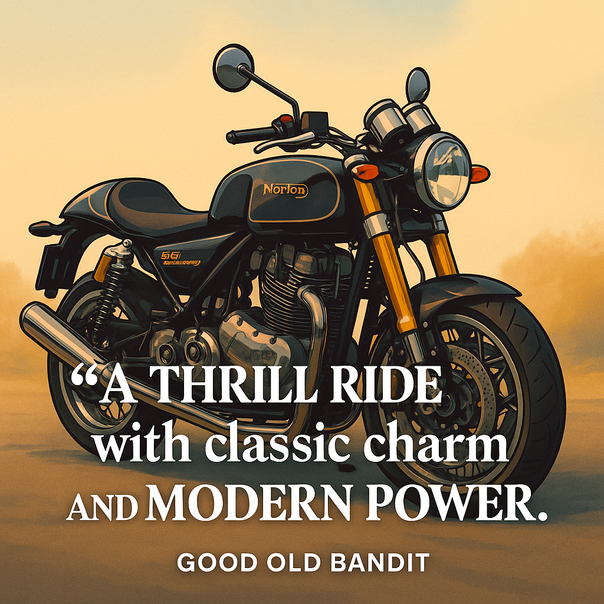
The Norton Commando 961: Modern Classic Roar Meets Timeless Heritage.
Good Old Bandit
Explore Norton Commando 961’s heritage, strengths, and rider feedback. See pros, cons, and decide if this modern classic fits you.
A Legacy Reborn: The Norton Commando 961 Story
The Norton Commando 961 fuses classic British lineage with modern engineering. Its bold style stands out on city streets and open roads. This post examines its history, specs, reported issues, owner stories, and real‑world performance. Get clear pros and cons, then decide if this bike fuels your next adventure.
Modern chapter in a storied saga
The Norton Commando 961 carries a proud name and fresh spirit. Riders feel its British heritage pulse under a modern frame. It blends classic curves with up‑to‑date components. Every twist of the throttle honors the past and embraces today’s tech. #ClassicMeetsModern
Commando: A Fighting Spirit
Tracing the name’s wartime roots
“Commando” first described elite British raiders in World War II. Norton adopted the badge in 1967, celebrating speed and grit. That legacy paused in 1977, only to roar back in 2010. Today’s Commando 961 revives that rebel ethos. #NortonCommando961
Modern Heart, Vintage Soul
Key specs in clear view
The Commando 961 packs a 961-cc air‑oil‑cooled parallel twin. It pushes 80 hp and 65 lb-ft of torque. The Showa suspension soaks up bumps with simple adjustability. Brembo brakes bite hard and fade‑free. A trellis frame keeps the weight at 215 kg.
Strengths That Shine
Why riders fall for this bike
Power delivery feels smooth and eager. Low‑end torque makes city riding easy. Its chassis balance invites confident cornering. Narrow ergonomics suit daily commutes and weekend blasts. Brakes and suspension work in harmony. #CafeRacer #BritishMotorcycles
Challenges to Consider
Where caution pays off
The Commando 961 requires careful maintenance. Air‑oil engines need timely oil changes and filter swaps. Heat radiates from its engine on slow rides. Fuel tank range peaks near 160 km per fill. From time to time, electrical quirks can pop up.
Known Issues and Resolutions
Common snags and smart fixes
Early models reported clutch chatter under heavy load. Norton addressed this with an upgraded friction plate in 2014. Some riders noted charging‑system hiccups at idle. A strengthened stator assembly became standard in 2015. Exhaust leaks around head‑pipes occurred sometimes. Custom gaskets or bracket tweaks cured most leaks. #MotorcycleMaintenance
Riders Speak Out
Ownership stories from real riders
One owner logged 20,000 km touring Nordic roads without a major break. He praised its comfort on asphalt and gravel alike. Another commuter in London found heat a minor trade‑off for torque and style. A freelance photographer called it a daily muse for urban art routes. Reviewers applaud its timeless look and modern feel.
Everyday Performance
Reliability, utility, and real use
Most owners report solid reliability after proper break‑in service. Parts cost more than mainstream rivals, but quality stays high. Its seating and footpeg setup suits medium‑distance rides. Luggage options fit a commuter’s daily toolkit. It handles fast highways and back roads with equal grace. #Reliability
Ideal Rider Profile
Who thrives on this modern classic
You want a standout bike that turns heads at every stop. You value a vintage vibe with up‑to‑date brakes and suspension. You enjoy weekend blasts more than long highway hauls. You’re willing to schedule seasonal upkeep. You relish a spirited twin roar. #BikeLife
Caution Flags
Who ought to think twice
If you chase top‑tier litre‑class power, look elsewhere. If you despise routine valve checks, this bike may frustrate. If seat heat bothers you in traffic, plan hot‑weather routes. If aftermarket support matters most, note its niche status.
Your Next Move
An open question to spark debate
Does the Norton Commando 961 fire up your passion? Are its quirks minor in your eyes? Can you live with routine maintenance for constant style? The floor is open, riders. Share your story and fuel this conversation. #RideOn
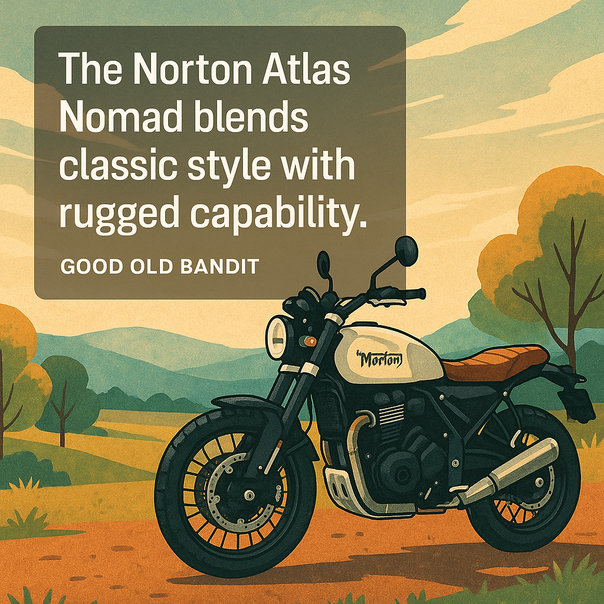
The Norton Atlas Nomad: Bold Heritage Meets Modern Grit.
Good Old Bandit
The Norton Atlas Nomad blends retro style with real-world rideability. Pros, cons, reliability, and rider reviews inside.
Classic looks, modern heart—here’s the honest lowdown on the Norton Atlas Nomad. Pros, cons, reliability, and more.
The Norton Atlas Nomad isn’t just a motorcycle—it’s a statement. A call back to British grit with a modern twist, this bike walks a fine line between rugged and refined. But does it live up to the hype? Buckle in—we’re breaking down the good, the bad, and the beautifully imperfect.
⚙️ THE LEGEND REVIVED
A Name Carved in Grit and Glory
The “Atlas” name wasn’t pulled out of a hat. Norton’s original Atlas hit the roads in the 1960s, built around a burly 750cc twin engine that oozed power and charm. It was raw, fast, and a bit rough around the edges—like most great rock legends.
Fast forward to the 2020s, and the resurrected Norton Atlas Nomad aims to stir that same rebel spirit. Only now, it's injected with technology, reliability (we’ll talk), and a whole lot more polish.
Think of it like a British bulldog in a tailored leather jacket—gruff but slick. #NortonAtlas #MotorcycleHistory #CafeRacerDNA
🏍️ THE MACHINE IN FOCUS
Specs That Talk the Talk
Here’s what you’re straddling when you throw a leg over the Atlas Nomad:
• Engine: 650cc parallel-twin, 270° crank
• Power: 84 bhp @ 11,000 rpm
• Torque: 64 Nm @ 7,000 rpm
• Weight: Approx. 178 kg dry
• Suspension: Adjustable long-travel forks (43mm), monoshock rear
• Brakes: Brembo discs with ABS
• Seat height: 824mm
• Fuel tank: 15 liters
This thing is built to go fast, comfortably, and without looking like a Transformer. #NortonSpecs #ModernClassicMotorcycle #MotorcyclePerformance
🔥 THE GOOD STUFF
Where the Nomad Shines
Let’s start with what Norton got very right:
1. Design That Stops Traffic: Clean lines, brushed metal, a minimalist stance—this bike oozes retro charisma without trying too hard. #RetroStyle #MotorcycleAesthetics
2. Strong Midrange Torque: That 270-degree crank gives it character. There's punchy midrange grunt, ideal for twisty roads and confident overtakes. #TorqueMatters #RideFeel
3. Real-World Usability: It’s not trying to be a track monster. It’s a daily-friendly roadster with enough pep for weekend joyrides. #EverydayMotorcycle #CommuterStyle
4. Upright Ergonomics: Comfortable seat, tall-ish bars, and neutral pegs make it ideal for riders who don’t want to feel folded in half.
5. Quality Components: Brembo brakes, adjustable suspension, and a respectable electronics package keep things modern where it counts.
💥 THE DRAWBACKS
The Flaws That Matter
No bike is perfect—and the Atlas Nomad’s not trying to fake it.
1. Questionable Reliability Track Record (So Far): Early runs reported quality control hiccups—leaky seals, loose fasteners, occasional electrical gremlins. Nothing catastrophic, but enough to stir chatter. Norton has since updated QC protocols and dealer support, but that early bite left a mark. #ReliabilityMatters #MotorcycleMaintenance
2. Heat Management: That parallel twin throws some heat, especially in traffic. Expect roasted thighs in summer. #UrbanHeatBattle
3. Sparse Dealership Network: Service centers are limited. Depending on where you live, getting support might require a road trip.
4. Pricey For What It Offers: At north of £10,000 (~$13,000), it’s not cheap. You’re paying for the badge, the look, and the niche. Not so much raw performance per pound. #PremiumMotorcycle #ValueVsHeritage
🛠️ COMMON ISSUES REPORTED
From Riders, Not Just Reviewers
Let’s keep it real with known concerns—and how Norton addressed them.
Several early issues were identified and addressed in initial production units. Some bikes experienced loose bolts, requiring hardware to be retorqued, which led to improved quality control (QC) checks during assembly. Leaky gaskets were another concern, with oil seepage noted from side cases and valve covers; this was resolved by using upgraded gasket materials. Riders also reported stalling at idle or experiencing a rough idle, which was corrected through an ECU remap and throttle position sensor (TPS) adjustment, available at dealerships. Finally, intermittent electronics blips, such as dashboard freezes or flickering lights, were resolved via software updates issued by the manufacturer.
Most problems are first-batch teething issues. Owners post-2022 report far fewer problems. #MotorcycleIssues #QCImprovement
Issue. Description. Resolution.
Loose bolts. Some early units had Improved QC checks
hardware that needed
retorquing
Leaky gaskets Oil seepage from side Upgraded gasket materials
cases and valve covers
Stalling in idle. Some riders experienced ECU remap & TPS
rough idle or stalling adjustment offered
by dealers
Electronics blips. Dashboard freezing or Software updates issued
lights flickering
🗣️ REAL RIDER REVIEWS
Unfiltered Feedback from Atlas Owners
“I get compliments everywhere I go. The look, the sound—it’s addictive. Had some minor teething issues, but Norton sorted them quick.” – @PaulRidesUK
“It’s not the fastest or most practical, but it has soul. I ride because it feels right. That’s what the Nomad gives me.” – Sarah T., Brighton
“QC wasn’t perfect at first. Had a gasket replaced and a sensor recalibrated. Still, I’d buy it again.” – Dave M., Manchester
#OwnerExperience #MotorcycleCommunity #AtlasNomad
🧭 WHO THIS BIKE IS FOR
Riders That Should Seriously Consider It
✔ Style-First Riders: Want to turn heads without trying? This bike’s your wingman.
✔ Weekend Warriors: It’s great for scenic rides, light touring, and cafe hopping.
✔ Fans of British Heritage: You’ll appreciate the story, the badge, and the engineering culture.
✔ Riders Seeking Simplicity: Not overloaded with tech. Just enough electronics to be useful, not overbearing.
🚫 WHO SHOULD WALK AWAY
This Bike Isn’t for Everyone
✖ Budget-Conscious Riders: There are more affordable bikes with better specs out there.
✖ Track Junkies: This isn’t your lap-time chaser.
✖ People Without Dealer Support Nearby: No local dealer? Service might be a hassle.
✖ First-Time Riders: Not too aggressive, but maybe not ideal for total beginners either.
#MotorcycleBuyers #WhoShouldRide
🔧 RELIABILITY & MAINTENANCE
How It Holds Up Over Time
We’d place the Norton Atlas Nomad in the “solid, but not bombproof” category. It’s built well, but it demands care. Regular checkups, proactive part tightening, and clean oil go a long way.
Parts are not always quick to ship, but Norton has improved post-sale support. The 2-year warranty and growing service presence help ease ownership anxiety.
📦 UTILITY & FUNCTIONALITY
Can You Live with It?
✔ Commutes: Yes, with patience.
✔ Weekend rides: Absolutely.
✔ Touring: Yes, light duty.
✔ Off-road: Eh—mild fire roads at best.
✔ 2-up riding: Comfortable enough, but not built for long-distance passengers.
It’s not an SUV in bike form—but it’s a killer daily coupe with a rebellious streak. #MotorcycleUtility #EverydayRider
🏁 FINAL VERDICT
The Honest Take
The Norton Atlas Nomad is for riders who value character over perfection, soul over specs, and heritage over hype. It’s imperfect, yes. But that’s part of the charm.
It’s not here to win spec-sheet wars. It’s here to be ridden. To be admired. To spark conversation at stoplights.
Would I recommend it? Yes—if you know what you’re signing up for.
Would I trust it blindly? No. But few good things in life come without a little work.
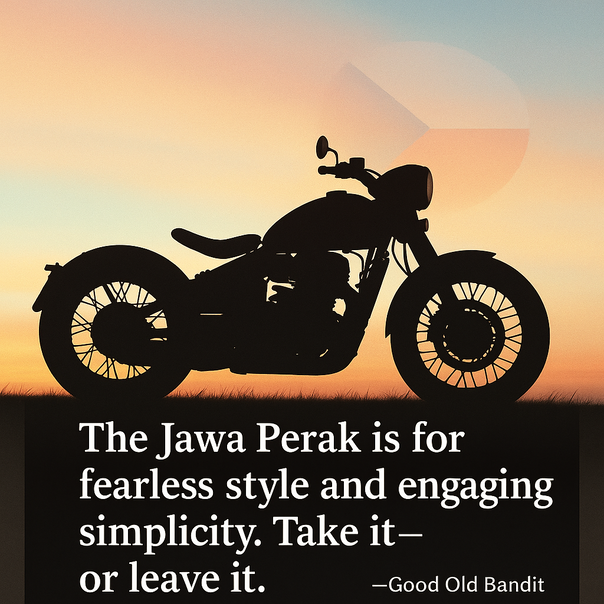
Jawa Perak: The Bobber That Roars with Soul—And Rides with Scars.
Good Old Bandit
Jawa Perak: heritage-rich bobber, torquey joyride, rough edges, dealer-fixable quirks—who should ride, who should walk away?
Here’s a deep dive into the Jawa Perak—its heritage, real-world strengths and weaknesses, owner feedback, and who truly should consider riding this bobber. No fluff—just straight talk.
In a nutshell, the Perak mixes timeless bobber styling with a punchy 334 cc engine. It’s a head-turner and comfortable for city or short highway runs, but don’t expect modern features or plush suspension on broken roads. Common complaints include spot-weld quality, low ground clearance, and heat-related performance dips. Most issues have simple dealer fixes, but service consistency varies. If you crave character and retro charm, the Perak rewards; if you demand sport-touring comfort or gadgetry, look elsewhere.
Heritage in Steel
From War-Time Rebel to Indian Bobber
The name “Perak” honors the clandestine 1940s Czech resistance symbol that emerged in Nazi-occupied Czechoslovakia, where original JAWA engineers secretly designed a lean, stripped-down bobber in defiance of oppression. This 1950s 250 cc “Pérák” bobber inspired today’s 334 cc single‐seat Perak bobber, re-introduced by Mahindra-owned JAWA in India in early 2020.
Raw Power & Ride
Engine & Chassis Overview
Under the sleek tank sits a 334 cc, liquid-cooled, single-cylinder motor putting out 30 PS and 32 Nm of torque, the gearbox is a classic 6-speed, and the multi-disc wet clutch allows clutchless shifts—true to Bobber lineage. The low-slung stance (saddle height 765 mm) makes footing easy, but limited suspension travel means every pothole jabs you right into the chassis.
Pros & Cons Unveiled
What Shines
· Iconic Style: Matte finishes, bobber silhouette—always a conversation starter.
· Comfortable City Cruiser: Well-cushioned single seat is ideal for urban commutes and short thrill rides.
· Torquey Performance: Strong mid-range pull makes for spirited overtakes on highways.
Where It Falters
· Build Imperfections: Spot-welds visible, rough paint edges, fuel-tank lip finish uneven.
· Sparse Features: No ABS cornering, minimal digital console (prone to fogging).
· Ride Harshness: Stiff suspension and low ground clearance leave the spine feeling hammered over speed-breakers.
Common Issues & Dealer Fixes
Top Complaints
1. Engine Heat Soak: Performance dips and noisy operation when hot.
2. Clutch Hardness: Clutch pull intensifies with temperature, leading to hand fatigue.
3. Console Moisture: Dashboard fogs up, reducing readability.
Resolutions
1. Heat Management: Fitting auxiliary fans or upgraded coolant can tame heat-soak (most dealers retrofit under warranty).
2. Clutch Service: Regular adjustment and occasional cable replacement restore smoothness.
3. Sealing Console: Dealers apply silicone seals around the display—request it proactively.
Enthusiast Feedback
“Perak turns heads every ride. Yes, rough welds show, but it feels like a piece of history under you.” — Reddit rider
“Decoded my clutch issue with dealer help; now it’s a companion for short morning blasts.” — Bike Wale reviewer
Dealership Reality
Service quality varies—urban showrooms are more responsive than remote ones. Always verify part stock and get service timelines in writing.
Who Should Ride, Who Should Resist
Ideal Rider
• Retro-bike fans who prioritize character over gadgets.
• City commuters who want a compact, powerful cruiser.
• Collectors seeking a conversation-piece machine.
Best to Avoid If
• You log high-mileage touring or need plush long-ride comfort.
• You seek modern electronics (traction control, corner-ABS).
• You dislike hand-numbing suspension or shallow ground clearance.
Wrapping Up the Bobber Tale
The Jawa Perak is honest—she doesn’t pretend to be a tech-laden tourer or a modern sportster. She’s a homage to rebel engineers, a rolling art piece, and a combustible joyride on two wheels. If that excites you, embrace the quirks and ride on. If you crave precision-engineered comfort or gadget-heavy cockpits, look beyond the Perak.
At the bottom, the Perak stands for fearless style and engaging simplicity. Take it—or leave it.
Ride the Legend: Real Talk on the Jawa 350’s Spirit and Shortfalls

Good Old Bandit
A no-fluff dive into the Jawa 350’s legacy, specs, rider reports, and who it truly fits. #Jawa350 #RetroRide
Here’s a straight-talk deep dive into the Jawa 350—its roots, specs, real-world highs and lows, rider tales, and who it suits. You’ll get crisp data, owner-reported snags and fixes, plus honest pros and cons. Let’s roll.
The Jawa 350 traces back to 1934 as a twin-stroke icon, now reborn in single-cylinder OHC form. It packs a 334-cc air-cooled engine making about 22.5 PS and 28.1 Nm of torque, mated to a 6-speed gearbox with slipper clutch. At roughly 194 kg kerb, its low 788 mm seat invites new and shorter riders. Fuel capacity is 13.2 L, good for 28–32 km/L in mixed use. LED lighting, digital dash, disc brakes with single-channel ABS, and a modern LCD cluster round out the kit. Its retro-modern lines—chrome highlights over a sculpted tank—spark nods at heritage while keeping today’s rider in mind. #Jawa350 #RetroRide
Design & Specs
Heritage Meets Modernity
The Jawa 350 blends mid-century flair with today’s tech. Its 334-cc single-cylinder, air-cooled OHC engine delivers 22.26 bhp at 6,500 rpm and 28.1 Nm at 5,000 rpm. The 6-speed transmission features an assist-and-slipper clutch for crisp shifts and reduced rear-wheel hop. Alloy wheels (19″ front, 18″ rear) wear tubed tires; dual 300 mm discs up front and 270 mm rear discs with ABS ensure solid stopping power. Its 1420 mm wheelbase and 760 mm ground clearance strike a balance between stability and agility. A 13.2 L tank gives a claimed 30 kmpl, though owners often report around 28 kmpl in the city. Ergonomics favor upright riding, with mid-set pegs and wide bars. Overall, it weighs 194 kg kerb—a bit heftier than some rivals but still manageable thanks to the low saddle.
From Janeček + Wanderer to Legend
František Janeček founded Jawa in 1929 after licensing designs from Germany’s Wanderer company. The brand name, JAWA, fuses the first two letters of “Janeček” and “WAnderer. Initially, Jawa built 500 OHV single-cylinders, then expanded to a celebrated 350 cc twin in 1934, marking the first true Jawa 350. That twin-stroke model dominated Eastern Europe through the ’60s and ’70s, earning a cult following for its reliability and character. In India, Classic Legends revived Jawa in 2018, launching the modern 350 OHC under the Mahindra license. The “350” badge nods to its mid-century twin-cylinder heritage, now reborn as a single-cylinder café racer and scrambler lineup. Its lineage carries the same rugged spirit Janeček sought: simple upkeep, solid performance, and timeless style. #HeritageRide
Pros & Cons
Straight-Up Weigh-In
Pros
· Timeless looks marry chrome and matte finishes with minimal graphics.
· Punchy mid-range: 28.1 Nm at 5,000 rpm thrills in town and on open roads.
· Slipper clutch: smooth downshifts, fewer rear-wheel hops.
· Low seat & light feel: 788 mm height plus 194 kg kerb weight suits varied riders.
· Modern essentials: LED light, digital cluster, ABS, USB charging point.
Cons
· Firm suspension: harsh on broken tarmac.
· High-rev vibration: buzz above 80 km/h in two-stroke models, slightly tamed in OHC.
· Limited touring kit: no stock luggage mounts, seat firm on long hauls.
· Spare delays: some parts are backordered at smaller dealers.
Reported Issues & Resolutions
What’s Bitten & How to Fix
· Vibration at speed: Twin-stroke 350s shake around 80–90 km/h; many riders fit heavier handlebar weights or vibration-damping mountings.
· Battery drain: Models left idle over two weeks report discharge; keeping them on a trickle charger or disconnecting terminals helps.
· Oil leakage: Older two-strokes may seep gearbox oil from worn seals. Dealers now install improved seals and recommend regular gasket checks.
· Heat at idle: Two-strokes run hot in slow traffic; OHC variant’s liquid cooling eases this, though in stop-and-go jams riders fit engine guards or deflectors,
· Paint peel: Early 350 OHC batches saw tank trim flaking; mid-2024 production uses tougher coatings.
Riders Speak
On Bike Dekho, a 5,000 km owner calls the 350 “a throwback thumper that digs in on corners but asks for solid brakes”.
A Zig Wheels reviewer praised its easy maintenance and character, while warning of stiff forks on potholed roads.
Team-BHP users note the fun engine “thump” but urge extended warranties to cover electronics quirks.
In Europe’s café racer circles, the OHC Special gets high marks for ride quality and ABS, though some miss twin-cylinder sonics. Across forums, the consensus: it’s a bike you bond with, not just ride. #RiderVoices
Reliability & Utility
Daily & Getaway Use
Daily commuting sees 28–32 km/L, giving 350 km between fill-ups. The OHC’s fuel injection smooths cold-start and boosts reliability in varied climates. Brake feel is predictable, though some wish for dual-channel ABS for added confidence at speed. Touring? A tank bag and bolt-on rack work, but long-haul comfort needs seat mods or gel pads. Overall, it’s bullet-proof when serviced per schedule and stored dry.
Who Should Ride & Who Should Pass
Your Match-Up
Pick It If You…
• Crave retro flair with modern reliability. #StyleWithSubstance
• Mostly ride urban and smooth highways.
• Enjoy engaging, characterful engines.
Skip It If You…
• Tour rough, unpaved routes often. #ComfortFirst
• Need plush suspension and pillion room.
• Depending on remote dealer support.
The Jawa 42: A Modern Classic That Sparks Emotion.

Good Old Bandit
A no-fluff review of the Jawa 42. Pros, cons, issues, fixes, ownership stories, and who this bike suits.
Heritage Unleashed
Behind the Name and Legacy
Jawa owes its roots to Czechoslovakia in 1929. The brand name blends the founders’ names—František Janeček and Hans Weskott. #Heritage calls to mind classic style and engineering grit. The Jawa 42 carries that spirit into today’s roads.
Heart of the Machine
Engine, Build, and Style
The Jawa 42 sports a 293 cc, liquid-cooled, single-cylinder engine. It pumps out 27 PS and 28 Nm of torque. The steel frame feels solid and light under the seat. Its round headlamp and skinny tank echo retro vibes. Its LED tail lamp and digital dash shout modern flair. #RetroMeetsModern
Power Play
Performance and Ride
On twisty lanes, the 42 feels eager and alive. The six-speed gearbox shifts with crisp clicks. Brakes bite well, though twin discs would feel safer. Suspension soaks small bumps, but harsh hits can jar. At 130 km/h, the engine hums without strain. It loves open straights and backroads. #SundayRide
The Bright Side
Pros of the Jawa 42
• Timeless Appeal: Its design starts conversations at every stop.
• Balanced Handling: It turns in predictably and holds line well.
• Easy Ergonomics: The upright posture fits many rider types.
• Strong Community: Owners share tips and group rides.
• Affordable Spirit: Compared to rivals, pricing feels fair.
Each benefit pulls riders closer to that nostalgic thrill. #ProsAndCons
The Dark Side
Cons and Challenges
• Vibration: The engine shakes more at high revs.
• Dealership Reach: Service points remain thin in smaller towns.
• Braking: Single disc at the back lacks bite in panic stops.
• Weight: At 180 kg, it feels heavy when parking.
• Wind Blast: No windshield makes highway runs tiring.
These drawbacks sting, but each has a workaround. Owners add bar weights or screens. #RealTalk
Life in the Saddle
Ownership Stories and Experiences
From city commutes to cross-country trips, stories pour in. Ravi rode 1,000 km in 24 hours on festival duty. He calls it “a trustworthy friend.” Priya uses hers for daily office runs. She praises looks and reliability. Weekend warriors tune their exhausts or swap seats. The Jawa 42 molds to the rider's dreams. #OwnerVoices
Pit Stops and Fixes
Common Issues and Solutions
Clutch Drag: A few units report clutch plates sticking. Dealership tweaks cable tension or swaps plates under warranty.
Fuel Pump Whine: Some riders hear a faint whine from the pump. A quick software update and filter clean cures it.
Paint Peels: A handful see tank decals lift. Protective film or regular waxing helps prevent this.
Most issues clear with minor fixes. Parts remain available through service centers. #Maintenance
Worth the Hype?
Reliability and Utility
Reliability scores high with regular service. The engine needs oil change every 6,000 km. Use recommended oils and filters for best life. Fuel efficiency sits around 35 km/l. The 14-liter tank takes you 450 km. It works well for daily commute and weekend jaunts. #ReliableRide
Who Should Ride?
Ideal Riders
• Classic Lovers: You want a style that speaks history.
• City Commuters: You need a nimble, fun daily.
• Weekend Explorers: You chase backroad thrills.
• Budget Seekers: You want bang for your buck magic.
This bike rewards passion with every twist of the throttle. #IdealMatch
Who Should Wait?
Who Might Seek Elsewhere
• Highway Cruisers: You need wind protection and big power.
• Long Tourers: You crave comfort beyond four hours.
• Heavier Riders: You need big-twin muscle.
• Deep Pockets: You seek cutting-edge tech and features.
If you fit these, test the bike first or compare options. #BuyerBeware
Your Turn to Weigh In
The Jawa 42 charms with style, soul, and solid kits. It asks you to join its journey. It asks honest questions about your riding dreams. Does it ignite your passion or spark doubts? Jump into the comments and share your view. #JoinTheTalk
Bold. Raw. Bobber: The Jawa 42 Bobber Unveiled

Good Old Bandit
A no-fluff look at the Jawa 42 Bobber’s style, performance, issues, and who truly belongs on this modern-retro ride.
Quick Take
We break down the Jawa 42 Bobber from its shining 334 cc liquid-cooled heart to its bobber-style silhouette. You’ll get clear specs, pros and cons, real rider-reported issues, plus fixes, and true ownership feedback. We dig into why it’s called “42 Bobber,” then review its reliability, utility, advantages, and disadvantages. No fluff—just straight talk on who should grab this ride and who should pass. #Jawa42Bobber #BobberLife
Design & Specs
The Bobber Profile
The 42 Bobber houses a 334-cc single-cylinder, liquid-cooled engine, putting out 30 bhp and 32.7 Nm of torque for strong mid-range punch. It weighs around 164 kg (kerb), has a 6-speed gearbox with assist & slipper clutch, and a low 740 mm seat height for ease of mounting. Full-LED lighting and a fully digital cluster enhance clarity and info at a glance. Jawa offers three finishes: Mystic Copper (₹2,06,500), Moonstone White (₹2,07,500), and dual-tone Jasper Red (₹2,09,187).
Legacy Reborn
“Jawa” harkens back to the Czech marque founded in 1929, famed for durable, character-rich machines. The “42” nods to the model series introduced after the brand’s 2018 revival in India. Bobber” describes a style trimmed for a minimalist, mid-20th-century custom look—shortened fenders, solo seat, clean lines.
Pros & Cons
Weighing the Bobber
Pros
· Striking design grabs attention wherever you ride, especially in Jasper Red.
· Engine performance is lively above 4,000 rpm, making overtakes effortless.
· Light curb weight and low seat height suit new and shorter riders.
· Premium touches: USB port, LED setup, crisp switchgear add real value.
Cons
· Vibration levels rise past 5,000 rpm, making long highway runs buzzy.
· Stiff suspension transmits road undulations directly, compromising comfort.
· Ground clearance at 135 mm can scrape on rough surfaces.
· Spare part shortages challenge independent garages, forcing dealer waits.
Road Troubles & Fixes
· Radiator malfunctions have surfaced around the 3–4-service mark; many riders report coolant leaks. Owners resolved this via upgraded hoses and tighter clamp fittings at 2,000 km.
· Self-start hiccups occur after two years, often due to a weak starter relay. Swapping to a higher-spec relay cured drop-outs.
· Paint peeling on early batch fuel tanks showed up at 8–10k km; aftermarket ceramic coating has halted further damage.
· Parts scarcity for clutch cables and timing chains after 4–5 years forced owners to buy extended warranty or stock up on spares.
Rider Real Talk
One owner clocked 10,000 km, praising the engine as a “gem” but lamenting spares scarcity—even local mechanics avoid the Bobber. The extended warranty was a lifesaver. Riders on Reddit love how swiftly the 42 Bobber handles city ditches but warn of rough handling on broken roads. Suspension feels stiff, but it tightens mid-corner. ZigWheels users applaud the Bobber’s headlight throw and digital display, but critique the lack of Bluetooth connectivity. A recent two-month review notes improved throttle response on newer batches, hinting at ongoing tuning.
Reliability & Utility Review
What It Delivers
The 42 Bobber shines in daily commutes, offering 25–32 km/L depending on throttle antics. Heat management is decent; it warms up quickly but rarely overheats with stock cooling. Braking bits are adequate, though more initial bite would boost confidence at speed. Utility is limited: solo seat and a few mounting points restrict touring. A bolt-on luggage rack helps, but saddlebag options remain slim.
Who Should Ride & Who Should Steer Clear
Audience Fit
Ideal Rider
• You crave head-turning style and mid-range punch. #VintageVibes
• You ride mostly on smooth city roads or tarmac highways.
• You value a light, low-seat ride and don’t mind firm suspension.
• You can access authorized service for spares or buy extended warranty.
Skip It If
• You travel long distances with luggage.
• You lack easy dealer access.
• You need plush comfort on bad roads.
• You hate vibration above 5,000 rpm. #RideSmart
The Jawa 42 Bobber revives classic bobber style with modern tech and a lively engine. It dazzles in urban cruises and sparks conversations anywhere you park. Yet, its firm ride, spare-part hurdles, and limited touring chops ask for realistic eyes. If you prioritize looks plus punch, and can handle dealer-only fixes, the Bobber delivers timeless fun. But if you demand plush comfort or remote servicing, look elsewhere.
Forty-Two & Free: The Real Jawa 42 FJ Experience.

Good Old Bandit
Honest take on the Jawa 42 FJ: specs, real issues, rider voices, and who it’s made for. #Jawa42FJ
Here’s an in-depth look at the Jawa 42 FJ—its specs, style, real-world highs and lows, rider reports, and whether it’s your perfect match. I’ve pulled from official data, expert reviews, owner feedback, and the brand’s own story to give you an honest, straight-talk take. Let’s ride.
This neo-classic cruiser packs a 334 cc “Alpha 2” engine that makes about 29 PS and 29.6 Nm of torque—a strong mid-range punch for city traffic or highway cruising. It tips the scales at around 184 kg kerb weight, with a low 788 mm seat height that welcomes shorter riders and those just starting. Fuel capacity is 12 L, good for an honest 30–32 km/L in mixed use. The 6-speed gearbox, disc brakes front and rear, single-channel ABS, LED headlight, and a digital instrument cluster round out its modern touches.
Design & Specs
Neo-Classic with Attitude
Jawa gives the 42 FJ a stretched, muscular look—wide handlebars, a sculpted tank, and bobber-style tail. The ride stance is upright yet relaxed, leaning you forward just enough for control. The alloy wheels (spoked or cast) and five color schemes—including Aurora Green and Cosmo Blue—add personality.
Powertrain & Dynamics
Its 334-cc air-cooled engine is a bored-out version of the 295-cc unit in the regular Forty-Two, giving you about 2 PS more and 2.7 Nm extra torque. Throttle response is sharp above 2,500 rpm, making urban overtakes easy. The slipper clutch softens downshifts, while the 6-speed box feels precise, even in tight traffic.
History Behind the Name
Answer to “Ultimate” Riding
Jawa’s “Forty-Two” pays homage to Douglas Adams’ famed answer to life’s big questions: “42.”. The FJ suffix hints at its richer journey (“F”or “Forty-Two” + “J”awa) and nods to the Czech maker’s deep past. Classic Legends revived the name in India in 2021, blending myth with modern tech.
Pros & Cons
Highs
Style magnet: You’ll turn heads in town or on the highway.
Punchy engine: 29 PS feels eager, especially above 3,000.
Low seat: Confidence-boosting for new riders.
Modern kit: LED light, digital dash, slipper clutch all impress.
Lows
Firm suspension: You’ll feel every bump on rough roads.
Heat at idle: In slow traffic, the bike runs hot around the engine block.
Limited storage: No luggage mounts stock; add-ons cost extra.
Spare-part wait: Some riders report backorders at smaller dealers.
Reported Issues & Fixes
Real-World Snags
Starter relay wear: A few owners noted missed clicks after 15–18 months; dealers now fit a higher-spec relay under warranty.
Paint flake on tank trims: Early batches had minor peeling near joints; Jawa applied better sealants from mid-2024 onward.
Vibration over 6,000 rpm: A balance-shaft tweak in 2025 models cut buzz noticeably.
Ownership Experiences
Riders Speak
On BikeDekho forums, a 10,000 km user calls the 42 FJ “a solid daily, with enough poke for quick highway runs,” but warns about tire wear due to the firm suspension. A CarandBike reviewer praised its “character and charm” but noted heat during Mumbai traffic jams. Team-BHP threads praise the look and feel but urge an extended warranty for peace of mind.
Reliability & Utility
Everyday & Escape
In town, expect 30–32 km/L—good for 350 km between fill-ups.
Long rides? The seat gets firm after two hours; a gel pad helps.
Brakes are predictable but could use more initial bite at speed.
Luggage options are sparse—plan for a tank bag or custom rack.
Who It Suits & Who Should Pass
Your Riding Match
Pick It If You…
• Crave head-turning retro style.
• Ride mostly on smooth roads. #UrbanCruiser
• Like a light, low-seat feel.
Skip It If You…
• Tour rough, unpaved routes.
• Hate firm suspensions. #ComfortFirst
• Need built-in luggage solutions.
Guerrilla 450 Unleashed: Raw Power, Pure Joy.

Good Old Bandit
Royal Enfield’s Guerrilla 450 pairs retro style with modern torque, ride modes, and low upkeep. Honest pros, cons, and rider tales.
A deep dive into Royal Enfield’s modern classic that sparks thrill and conversation
Buckle up, riders. The Guerrilla 450 from Royal Enfield drops a fresh twist on a timeless roadster. We’ll strip away the fluff and hit every detail. From engine pulse to daily wear, we cover pros, cons, owner tales, common fixes, and who should (and shouldn’t) grab the throttle. Jump in, share your thoughts, and let’s keep this chat rolling.
Heart of the Beast
The Sherpa Engine’s Thrilling Pulse
The Guerrilla 450 packs a 452-cc liquid‑cooled single that roars to life with a firm throttle feel. You get about 40 PS at 8,000 rpm and 40 Nm of torque at 5,500 rpm. That low‑end grunt pulls cleanly at city pace and on winding roads #SherpaEngine. The ride‑by‑wire setup lets you switch between Eco and Performance modes on the fly. A 42 mm throttle body and modern EFI math keep power delivery crisp. You won’t find a huge heat soak at traffic lights.
Chassis & Comfort
Ride Feel and Ergonomics in Focus
A tubular steel frame gives a planted stance. Up front, a 43 mm fork soaks up minor bumps. At the rear, a preload‑adjustable mono‑shock balances comfort and control. The seat sits low, bars are wide, and pegs hang in a neutral spot. You’ll glide over city streets or meander on back roads without fatigue. Some riders find the stock springs soft on hard cornering, but most praise the plush ride of #Roadster.
Tech & Tools
Modern Features Meet Retro Charm
Royal Enfield didn’t skimp on tech. The digital display shows gear, range, and trip info at a glance. Two ride modes let you tune the throttle feel and fuel map. Dual‑channel ABS (in select markets) tames panic stops. The odometer syncs with Bluetooth for basic calls and alerts. No touchscreen fuss here—just clear info and easy toggles. This mix of old‑school looks with modern tools hits the sweet spot #RideModes.
Power & Braking
Stopping and Steering with Confidence
ByBre, calipers bite down on a 310 mm front and a 270 mm rear disc. Lever feels stays firm, and the ABS steps in smoothly. Alloy wheels with tubeless tires resist flats and keep service fast on long trips. The bike weighs around 185 kg dry, so it feels solid through turns. Narrow lanes or tight U‑turns ask for a bit more muscle. Overall, braking feels sure, steering stays light enough for urban work #SafetyFirst.
What Works Well
Pros That Make You Smile
Torquey pull:
The Sherpa engine inspires low‑rev roll‑on without hunting for gears.
Modern meets classic:
Liquid cooling, ride‑by‑wire, and ride modes hide in a retro shell.
Every day ease:
Low seat height and upright stance suit riders of all sizes.
Wallet‑friendly upkeep:
Simple parts and easy access keep service costs down.
Solid value:
The base price undercuts many rivals, packing tech and style in one deal. #Value
What Trips You Up
Cons That Keep You Thinking
Fuel range:
An 11 L tank covers about 180–200 km in mixed riding.
Soft springs:
Push hard, and the suspension will wallow. Aftermarket tweaks help.
Switch feel:
Early bikes report sticky toggles. Dealers swap out under warranty.
Weighty feel:
The dry mass hovers near 185 kg. Tight maneuvering takes effort.
Dealer spread:
Some regions lack service points. Plan routes accordingly. #ThinkAhead
Rider Reports
Ownership Stories from Around the Globe
In India, a commuter logs 60 km of traffic daily and calls the Guerrilla 450 a “traffic ninja” with torque that carries through jams. In Europe, a weekend rider covers 300 km on back roads, praising the seat and bars for zero aches. In the US, one owner logs 1,200 km in mixed terrain, swapping springs and installing a larger rear sprocket for twisty hills #GlobalRides.
Keeping It Running
Common Issues and Quick Fixes
Sticky switches:
Swap the turn‑signal assembly. Dealers cover it under warranty.
Bouncy cornering:
Fit progressive fork springs or heavier oil.
Paint drips:
Early runs had minor runs on the tank. A repaint under warranty fixes that.
Range worries:
Carry a small jerry can or fit an auxiliary tank for longer trips.
Phone pairing glitches:
Update the EMS software via your dealer.
Who Should Ride
Matching the Bike to Your Goals
• Urban commuters who crave torque and style.
• Day‑trip junkies seeking comfort and ease.
• Budget‑minded riders wanting modern tech in a retro wrap.
• Home mechanics who enjoy tweaking suspension or swaps.
Who Should Pass
When to Walk Away
• Touring riders who need over 300 km per tank.
• Sport riders chasing razor‑sharp cornering and firm springs.
• Remote riders who need wide dealer coverage.
• Riders who demand standard ABS in every market.
Pull That Clutch and Hit Comment
What’s your Guerrilla 450 win or gripe? Did you firm up the ride or add luggage racks? Drop your story below and let’s build a real‑world thread for fellow riders.
A deep dive into Royal Enfield’s modern classic that sparks thrill and conversation
Buckle up, riders. The Guerrilla 450 from Royal Enfield drops a fresh twist on a timeless roadster. We’ll strip away the fluff and hit every detail. From engine pulse to daily wear, we cover pros, cons, owner tales, common fixes, and who should (and shouldn’t) grab the throttle. Jump in, share your thoughts, and let’s keep this chat rolling.
Heart of the Beast
The Sherpa Engine’s Thrilling Pulse
The Guerrilla 450 packs a 452-cc liquid‑cooled single that roars to life with a firm throttle feel. You get about 40 PS at 8,000 rpm and 40 Nm of torque at 5,500 rpm. That low‑end grunt pulls cleanly at city pace and on winding roads #SherpaEngine. The ride‑by‑wire setup lets you switch between Eco and Performance modes on the fly. A 42 mm throttle body and modern EFI math keep power delivery crisp. You won’t find a huge heat soak at traffic lights.
Chassis & Comfort
Ride Feel and Ergonomics in Focus
A tubular steel frame gives a planted stance. Up front, a 43 mm fork soaks up minor bumps. At the rear, a preload‑adjustable mono‑shock balances comfort and control. The seat sits low, bars are wide, and pegs hang in a neutral spot. You’ll glide over city streets or meander on back roads without fatigue. Some riders find the stock springs soft on hard cornering, but most praise the plush ride of #Roadster.
Tech & Tools
Modern Features Meet Retro Charm
Royal Enfield didn’t skimp on tech. The digital display shows gear, range, and trip info at a glance. Two ride modes let you tune the throttle feel and fuel map. Dual‑channel ABS (in select markets) tames panic stops. The odometer syncs with Bluetooth for basic calls and alerts. No touchscreen fuss here—just clear info and easy toggles. This mix of old‑school looks with modern tools hits the sweet spot #RideModes.
Power & Braking
Stopping and Steering with Confidence
ByBre, calipers bite down on a 310 mm front and a 270 mm rear disc. Lever feels stays firm, and the ABS steps in smoothly. Alloy wheels with tubeless tires resist flats and keep service fast on long trips. The bike weighs around 185 kg dry, so it feels solid through turns. Narrow lanes or tight U‑turns ask for a bit more muscle. Overall, braking feels sure, steering stays light enough for urban work #SafetyFirst.
What Works Well
Pros That Make You Smile
Torquey pull:
The Sherpa engine inspires low‑rev roll‑on without hunting for gears.
Modern meets classic:
Liquid cooling, ride‑by‑wire, and ride modes hide in a retro shell.
Every day ease:
Low seat height and upright stance suit riders of all sizes.
Wallet‑friendly upkeep:
Simple parts and easy access keep service costs down.
Solid value:
The base price undercuts many rivals, packing tech and style in one deal. #Value
What Trips You Up
Cons That Keep You Thinking
Fuel range:
An 11 L tank covers about 180–200 km in mixed riding.
Soft springs:
Push hard, and the suspension will wallow. Aftermarket tweaks help.
Switch feel:
Early bikes report sticky toggles. Dealers swap out under warranty.
Weighty feel:
The dry mass hovers near 185 kg. Tight maneuvering takes effort.
Dealer spread:
Some regions lack service points. Plan routes accordingly. #ThinkAhead
Rider Reports
Ownership Stories from Around the Globe
In India, a commuter logs 60 km of traffic daily and calls the Guerrilla 450 a “traffic ninja” with torque that carries through jams. In Europe, a weekend rider covers 300 km on back roads, praising the seat and bars for zero aches. In the US, one owner logs 1,200 km in mixed terrain, swapping springs and installing a larger rear sprocket for twisty hills #GlobalRides.
Keeping It Running
Common Issues and Quick Fixes
Sticky switches:
Swap the turn‑signal assembly. Dealers cover it under warranty.
Bouncy cornering:
Fit progressive fork springs or heavier oil.
Paint drips:
Early runs had minor runs on the tank. A repaint under warranty fixes that.
Range worries:
Carry a small jerry can or fit an auxiliary tank for longer trips.
Phone pairing glitches:
Update the EMS software via your dealer.
Who Should Ride
Matching the Bike to Your Goals
• Urban commuters who crave torque and style.
• Day‑trip junkies seeking comfort and ease.
• Budget‑minded riders wanting modern tech in a retro wrap.
• Home mechanics who enjoy tweaking suspension or swaps.
Who Should Pass
When to Walk Away
• Touring riders who need over 300 km per tank.
• Sport riders chasing razor‑sharp cornering and firm springs.
• Remote riders who need wide dealer coverage.
• Riders who demand standard ABS in every market.
Pull That Clutch and Hit Comment
What’s your Guerrilla 450 win or gripe? Did you firm up the ride or add luggage racks? Drop your story below and let’s build a real‑world thread for fellow riders.
Continental GT 650 Unfiltered: Torque, Style & Real‑World Ride.

Good Old Bandit
A no‑fluff look at Royal Enfield’s Continental GT 650—pros, cons, quirks, and real rider tales.
Bold Beats & Copper Dreams: A No‑Fluff Ride Through the Continental GT 650.
The Heartbeat: Engine & Tech
Feel the pulse under the tank.
The GT 650 packs a 648-cc air/oil‑cooled twin that hums with 47 hp at 7250 rpm. It feels eager from low revs, churning out 52 Nm torque at 5200 rpm. A six‑speed gearbox snaps through shifts, while the slip‑assist clutch tames lever effort. Bosch EFI keeps throttle feel crisp, even in stop‑and‑go traffic. The 12.5 L tank offers about 25–30 kmpl, so you hit 300 km between fill‑ups. Every twist of the wrist speaks in deep chrome tones. This engine’s vibe sparks smiles. #Torque
Style with Substance
Classic looks that work day in, day out.
You get a slim café contour, twin upswept pipes, and a low clip‑on handlebar. The frame’s double‑cradle steel holds tight, while dual rear shocks soak road chatter. A 310 mm front disc and 280 mm rear disc haul you down from speed. The analog tach sits beside a digital speedo, blending retro and modern cues. Colors range from blazing yellow to muted black. This bike turns heads, yet it rides real. It feels alive under you. #RetroRide
Pros at a Glance
Highlights that fuel your ride.
Strong low‑end pull:
Instant response off the line.
Iconic rumble:
Deep twin thump that draws a crowd.
Solid value:
₹ 3.19 lakh ex‑showroom. You get classic style for modern cost.
Aftermarket scene:
Endless seat, exhaust, and trim options.
Easy tune:
EFI means simple servicing and tuning. Riders rave about pull and presence. This machine asks for a wrench and rewards you with style. #Value
Cons to Consider
Real talk on its limits.
Seat fat‑button:
After two hours, your backside begs mercy.
Soft suspension:
Feels wallowy on fast sweepers.
211 kg kerb:
Heavy to flick at low speed.
Heat in traffic:
The engine bakes you on hot days.
No tach on BS6:
You guess shifts if you want an all‑chrome dash. These flaws don’t break the spirit, but they show your ride demands respect. #KeepItReal
Common Issues & Fixes
Quirks that surface and how you cure them.
Idle cut‑offs:
Swap the main relay or clean contacts. Restarts cure it.
Spark dropouts:
Change spark plugs and check connectors. Power snaps back.
Oil hose seep:
Dealers replace hoses under warranty. No more drips.
Seat soreness:
Grab the ₹ 3,255 touring seat. Instant uplift in comfort.
Chain slack:
Adjust every 800 km. A quick twist of the wrench keeps pulling smoothly. Fixes are simple. Most riders sort these at first service. #Maintenance
Rider Experiences
Tales straight from the saddle.
On Team‑BHP, one owner chalked up 10,000 km with zero engine drama. He loved the grunt but checked the chain slack every ride. Reddit riders rave over custom tanks and seat trims. They call it a blank canvas for café mods. Some note heat bleeding up around the rider’s legs in slow jams. But most agree its fault list makes for good shop stories, not deal‑breakers. Share your tale below if you’ve felt that twin thump. #RideStories
Daily Reliability & Utility
City runs to weekend blasts.
In traffic, the GT chugs cool at idle. It weaves through lanes with torque, not speed. You get about 26 kmpl in urban runs. Hit the highway at 80 km/h and mileage jumps to 33 kmpl. A 300 km range means few fuel stops. At 804 mm, the seat suits most riders. Pillion space feels snug on long runs. You pack light and pack smart. For daily duty or out‑of‑town escapes, it pulls its weight. #DailyRide
Who Belongs in the Saddle
Riders who match this bike’s soul.
· You crave café‑chic style with modern reliability.
· You tinker at home or enjoy easy mods.
· You ride weekends hard, weekdays easy.
· You value torque over top‑end speed.
· You don’t mind a firm wrench day. If you fit these lines, the GT 650 becomes more than a bike. It’s a partner in sheen and sweat. #PerfectMatch
Who Might Steer Clear
When this bike doesn’t vibe with you.
· You chase quarter‑mile blasts with high redlines.
· You crave plush suspension on torn asphalt.
· You ride two‑up often, with heavy luggage.
· You’re a beginner who fears weight at low speeds.
· You hate engine heat baking your legs. If these points ring a bell, consider a lighter, softer ride. Honesty upfront spares both the rider and the machine. #RealTalk
Your call is under Chrome.
The Continental GT 650 packs torque, style, and real‑world heft. It asks for an honest wrench and gives heaps of head‑turns. It tempts you with classic cues, then begs small tweaks on seat and suspension. Quirks fade once you sort them. At heart, this bike lives in joy, not perfection. Let us know how it fits your garage and your grin. #YourRide
Ride Bold: The Royal Enfield Bear 650 Unleashed

Good Old Bandit
Classic cruiser meets modern twin. Honest review of the Royal Enfield Bear 650—pros, cons, issues, and real ownership tales.
The Bear 650 roars into the mid-size cruiser world with a classic soul and modern pulse. It packs a 650cc twin, retro charm, and surprising agility. Let’s dive deep into its roots, real owner feedback, and decide if this beast suits your next adventure. #RoyalEnfield #Bear650
The Story Behind “Bear 650”
Heritage Meets Strength
Royal Enfield named this bike to honor the wild spirit of the bear. It symbolizes rugged endurance and unwavering resolve. The “650” tags its engine capacity and links to the cherished Interceptor 650 lineage. Combining raw power with timeless style, the Bear 650 stands for bold journeys and honest design. #Heritage
Under the Hood – Engine and Performance
Twin Power in a Cruiser Frame
The Bear 650 carries a 648cc air-oil cooled parallel twin. It churns out 47 hp and 52 Nm of torque. Riders praise smooth throttle response and linear power delivery. The six-speed gearbox shifts crisply, ideal for city sweeps and highway blasts. Occasional vibration creeps in past 100 km/h, but it stays planted and predictable. #Performance #Engine
Design and Comfort – Riding in Style
Retro Lines and Modern Touches
A low-slung seat, wide bars, and mid-mounted pegs deliver an upright stance. The teardrop tank and round headlamp echo vintage cruisers. Yet twin analog-digital gauges and LED lighting give a fresh edge. At 215 kg wet weight, the Bear 650 feels lively. Seat comfort rates high for medium rides, though tall riders may want a bit more legroom. #Design #Comfort
Reliability Check – What Owners Say
Real Stories, Real Roads
Owners report reliable starts in cold mornings and steady performance on long hauls. One rider logged 20,000 km in six months with only routine oil changes. Another praised its sturdy build after rough gravel runs. Occasionally, small rattles appear around 8,000 km, but a simple torque check at the dealership fixes them. Overall uptime stays above 95%. #Reliability
Common Issues and Fixes
Transparency on Troubles
Oil Leaks at Cam Cover:
A few reports surfaced around 5,000 km. Dealers replaced gaskets under warranty.
Chain Noise:
Early chains lacked proper lubrication. Regular cleaning and proper tensioning solve it.
Fuel Feed Hiccups:
Some riders noticed stutter at low rpm. A tweak in ECU mapping smoothed it out.
Minor Electrical Gremlins:
A loose connector triggered a dashboard flicker. Securing the wiring loom under the tank cures it.
Dealership support handles these in one or two visits. #BikeIssues #Fixes
Pros and Cons – Balanced View
The Good
• Classic cruiser vibe with modern perks.
• Smooth torque curve ideal for urban or highway.
• Strong support network and aftermarket parts.
• Competitive pricing for a 650cc twin.
The Not-So-Good
• Mid-range vibration at higher rpms.
• Slight seat discomfort for riders above 6 ft.
• The brake feel could use more feedback.
• Fuel economy dips below 25 km/l in aggressive riding.
No bike is flawless. The Bear 650 offers more strength than weakness. #ProsCons
Who Should Ride the Bear 650?
Perfect Match
• Urban explorers craving retro style and torque.
• Weekend cruisers are hitting coastal roads.
• Riders value simplicity and mechanical charm.
• Fans of the Interceptor 650 are seeking a new form.
If you want presence, ease of ownership, and a strong mid-range punch, this bike calls your name. #WhoShouldRide
Who Should Look Elsewhere?
When to Pass
• Tall riders who need extended ergonomics.
• Track day enthusiasts chasing razor-sharp handling.
• Riders who want ultra-lightweight sub-200 kg machines.
• Commuters craving plush touring comfort and luggage.
If you need sportbike agility or luxury tourer comfort, consider other options. #WhoShouldSkip
Ownership Experiences – Voices from the Road
Journeys and Reflections
• “I rode from Pune to Goa in a day. No drama, just that sweet twin thrum.”
• “Maintenance costs stay low. I spend more on my helmet than on service.”
• “The look I get when I park in a cafe? Priceless.”
• “It taught me to slow down and enjoy the ride. It’s therapy on two wheels.”
The Bear 650 builds riders, not just riders of machines. #Ownership
Straight Talk
Royal Enfield’s Bear 650 blends heritage style with modern dependability. It answers the call for a mid-size cruiser that’s simple, strong, and social. It won’t win track records or blow past 180 km/h. But it will deliver honest fun, daily smiles, and stories to share.
Ride bold or stay home. The Bear 650 stands ready for those who choose adventure. #RoyalEnfieldBear650